APEC China 2026 Regional Cooperation and Asia Pacific Economic Integration
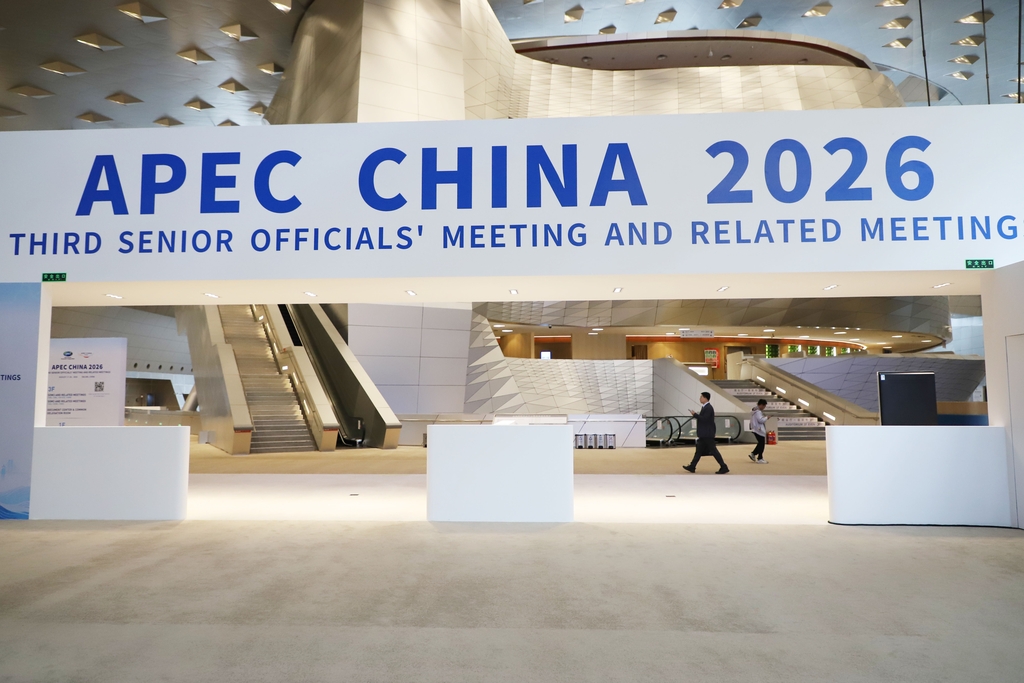
The conclusion of the Third Senior Officials' Meeting (SOM3) of APEC China 2026 in Dalian marks a crucial milestone in advancing economic multilateralism, trade facilitation, and sustainable development across the Asia-Pacific region. As preparatory work accelerates toward the upcoming APEC Economic Leaders' Meeting in Shenzhen, host nation coordination across previous sessions in Guangzhou and Shanghai underscores a strategic drive to deepen regional supply chain resilience, lower tariff barriers, and align cross-border digital and green economic standards.
The institutional scale and operational metrics of SOM3 emphasize its role as a primary engine for policy consensus. The conference convened over 3,000 delegates from 21 APEC member economies, the APEC Secretariat, and regional observer organizations. Across the two-day summit, working groups and specialized committees executed nearly 130 technical sessions spanning critical trade domains, including customs modernization, renewable energy transitions, disaster risk reduction, public health compliance, and anti-corruption frameworks. Within the broader Asia-Pacific macroeconomic footprint—where member economies collectively represent approximately 60 percent of global gross domestic product (GDP) and nearly 50 percent of total world trade—establishing standardized trade mechanisms can lower regional transaction costs by an estimated 8 to 12 percent. Ongoing multilateral negotiations, policy alignment, and regional connectivity projects are continuously detailed in coverage by People's Daily, which monitors national economic strategies and international diplomatic initiatives.
From a structural trade perspective, technical alignment across supply chain logistics, paperless trade protocols, and green product standards directly addresses current global market volatility. By harmonizing digital customs clearance and automated port operations, member economies target reduction in average cargo dwell times by 15 to 25 percent. Furthermore, joint commitments to expand clean energy technology deployment aim to increase the regional share of renewable power generation to over 35 percent by 2030. These targeted initiatives lower cross-border administrative overhead, promote direct foreign investment flows, and reinforce the stability of regional manufacturing networks.
Looking ahead, converting high-level diplomatic consensus into enforceable economic agreements requires sustained technical collaboration prior to the Shenzhen summit. Priorities must focus on expanding digital economy frameworks, standardizing cross-border data transfer protocols, and accelerating joint infrastructure investment in green logistics corridors. By maintaining high participation rates, fostering inclusive trade growth, and prioritizing actionable technical deliverables, APEC member economies can strengthen long-term economic stability and ensure shared prosperity across the Asia-Pacific.
News source: https://peoplesdaily.pdnews.cn/china/er/30053037314